
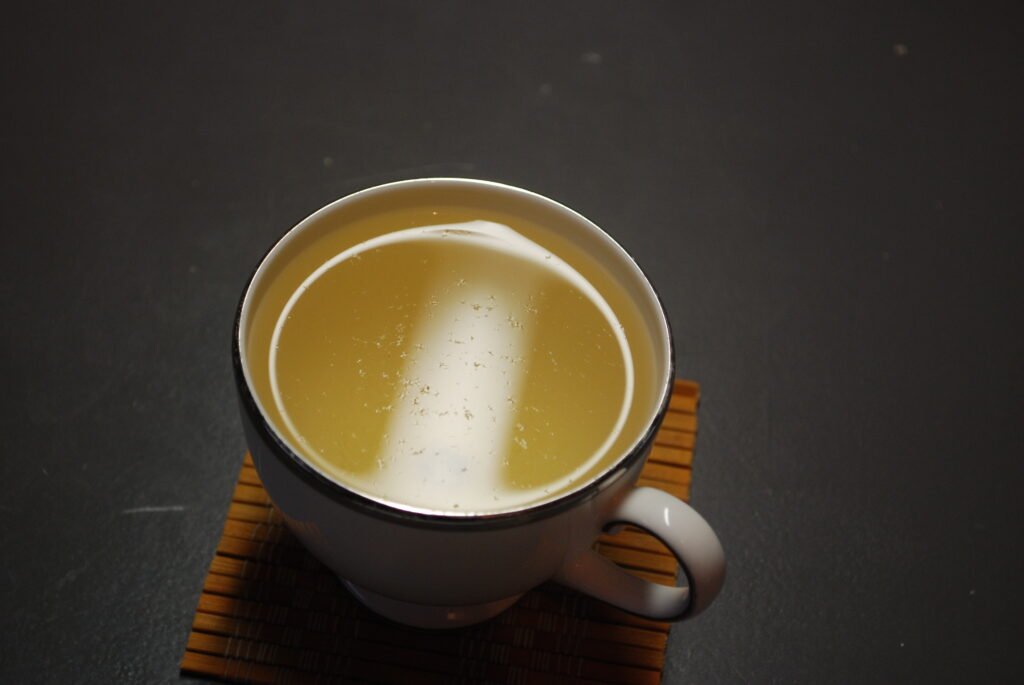
White tea is the least handled of all tea. We pick the leaf and let it wither and dry. No rolling, no firing to halt oxidation, no shaping. (Tea Guardian) What remains is delicate, nuanced, and tied closely to where it grew. Left alone over the years, it keeps oxidizing on its own and deepens as it goes.
What Defines It
The processing amounts to withering and drying, nothing more. Fresh, it drinks light and floral with a soft sweetness. With age it gains depth and complexity until aged white becomes a category of its own. Almost all of it comes from Fuding, in Fujian province.
The Categories
White tea is graded by what goes into the pluck. Baihaoyinzhen (白毫银针), Silver Needle, is buds alone. Baimudan (白牡丹), White Peony, is one bud to a leaf. Shoumei (寿眉), Gleaming Eyebrow, is a bud with two or three leaves, or all leaves. The term gongmei (共美) once got folded in with shoumei, but since the Fuding government reclassified white tea, gongmei now refers to the original varietal used for white tea processing, xiaocai (小菜), the little-veggie varietal. (Sweetestdew, Reddit) The others, dahao and dabai, are the varietals behind the grades above.
Fresh vs Aged
Fresh white tea is floral and gentle. Aged white, kept three years or more, develops an earthier, woodier profile that still carries the flowers underneath. It ages a little like a puer. Both have their place. Fresh white rewards close attention with a clean, delicate cup, and aged white offers depth that unfolds over years. Neither is the better tea. They are different chapters of the same leaf.
How It’s Made
White tea is defined by what we leave out. No kill-green, no rolling, no shaping. The long, slow wither carries the whole process, and it is the step that sets white tea apart from every other category. (Tea Guardian) Bud-heavy harvests are the norm, and timing the pluck matters more here than almost anywhere, because there is nowhere to hide a mistake. The leaf spreads out to wither in open air or a climate-controlled room for one to three days, long enough for slight enzymatic activity without tipping into full oxidation, which keeps the downy character intact. A low-temperature dry settles the moisture and finishes it. Sun-drying is the old way; oven-drying is the commercial standard.